Scroll down .
Enter The Archive .
Scroll down .
Enter The Archive .
Scroll down .
Enter The Archive .
Scroll down .
Enter The Archive .
Scroll down .
Enter The Archive .
Scroll down .
Enter The Archive .
Immerse yourself in the Bseiso Family Archive
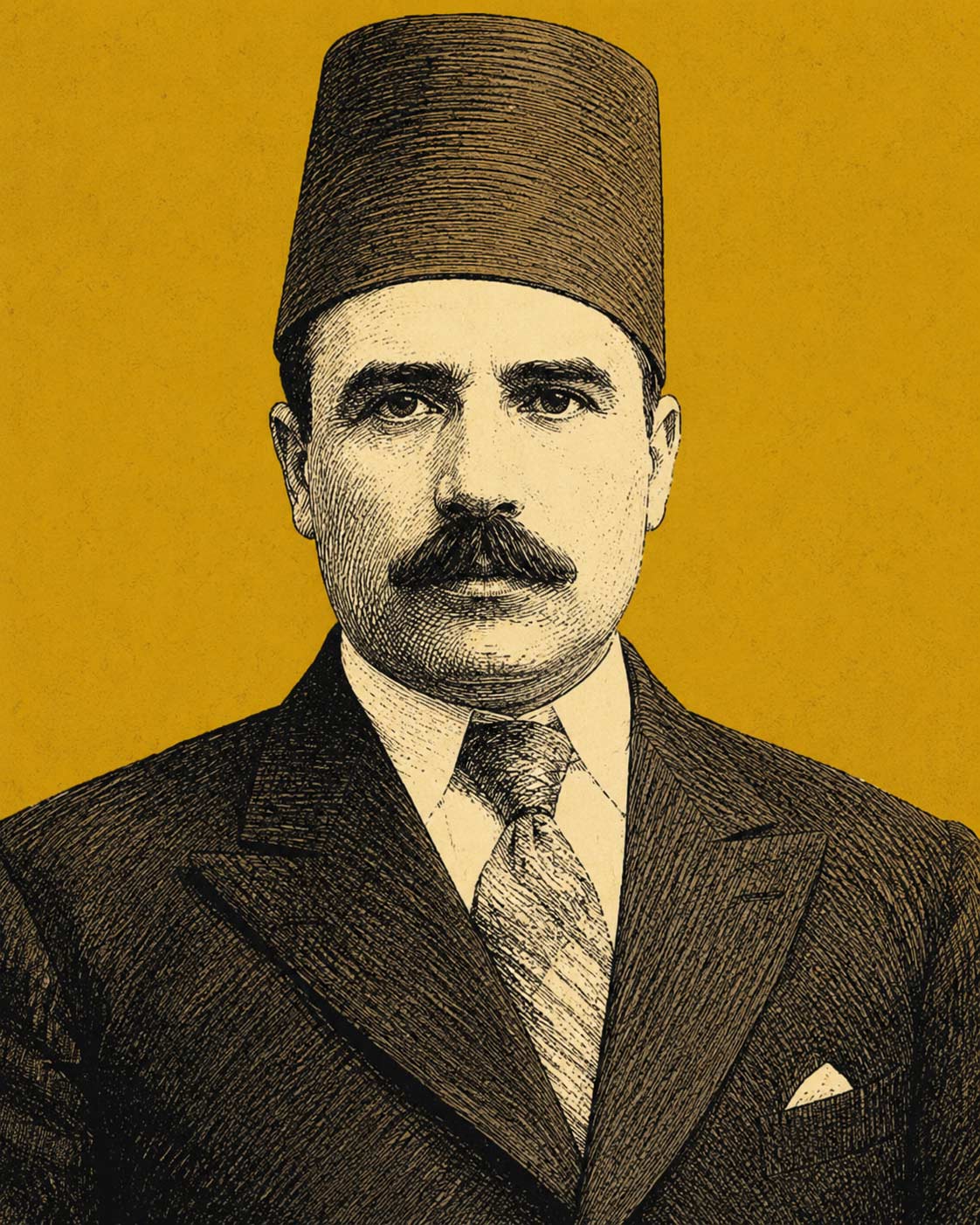
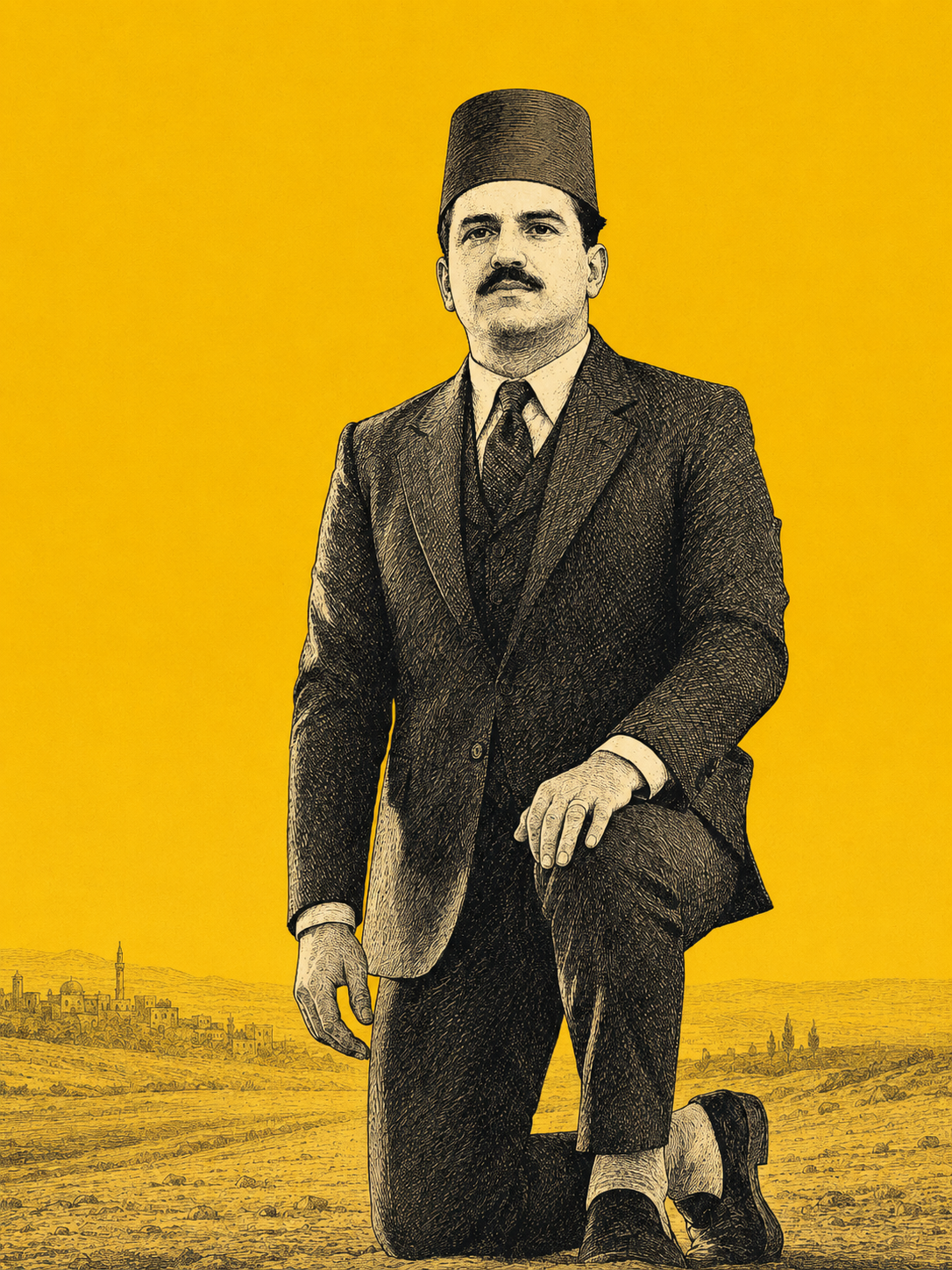
Hajj Mahrous Afandi bin Mustafa Bseiso (1884-1968) was a Palestinian business magnate, industrialist, and philanthropist. He was born and raised in Jerusalem to the prestigious Bseiso family.
At the peak of his career, Mr. Mahrous owned large swaths of land in and around Bi’r Al-Sab’ where he set out to bring industrialization and socio-economic development to that often-overlooked part of Palestine.
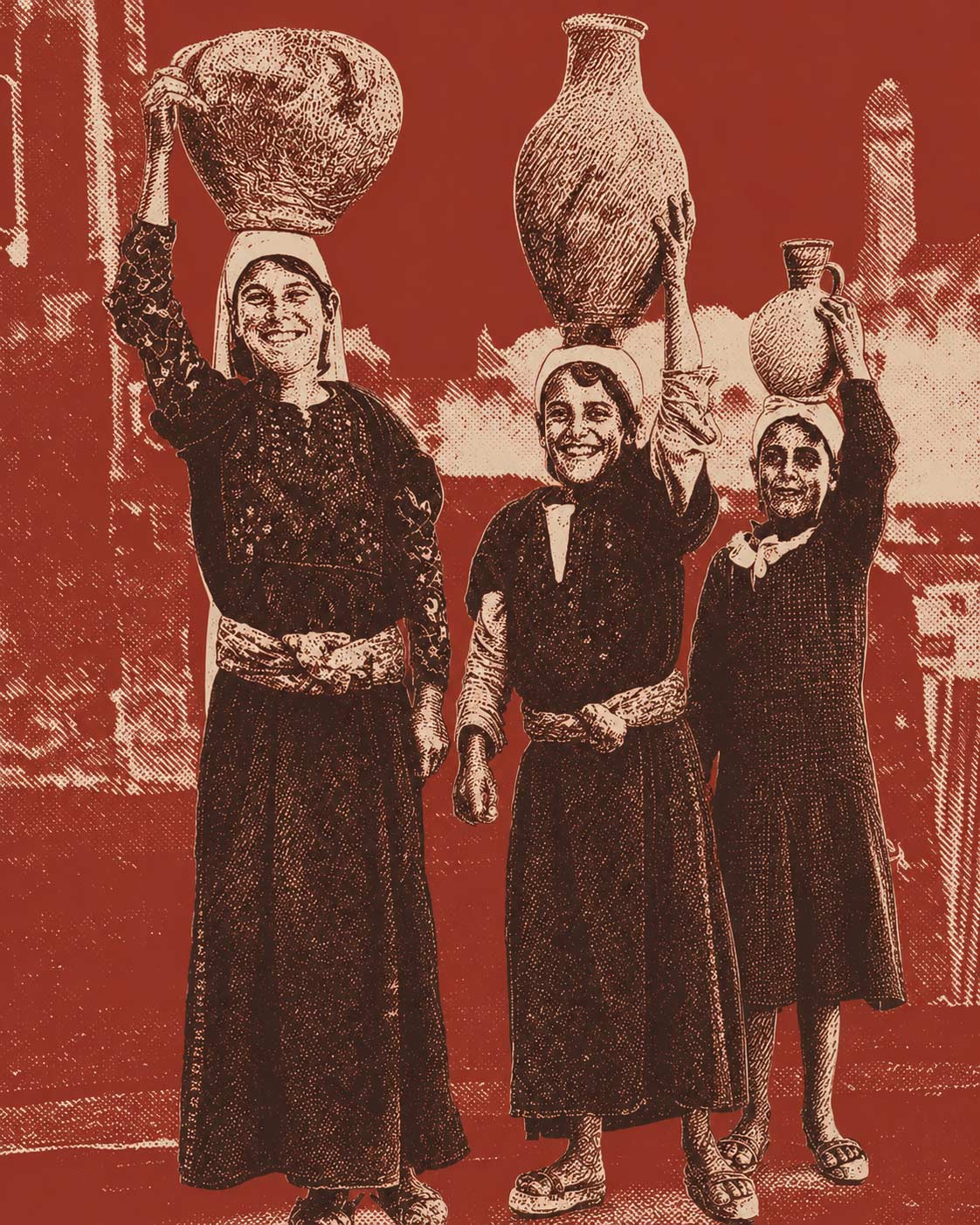
A wall of photographs shows what daily life looked like for Palestinian families. Kitchens where meals were cooked, weddings and holiday gatherings, children walking to school, elders telling stories to grandchildren, olive harvests, and the small routines that filled ordinary days.
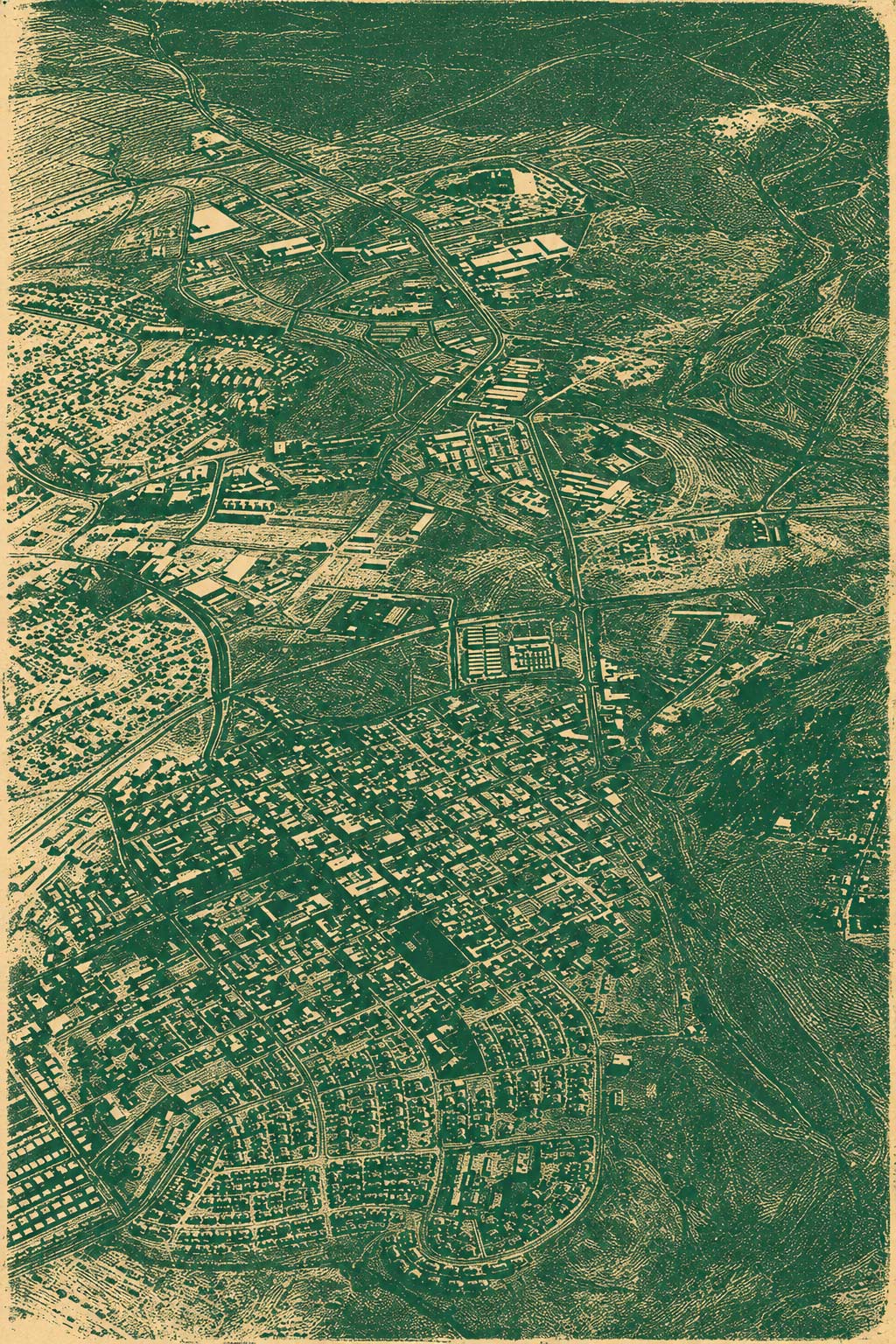
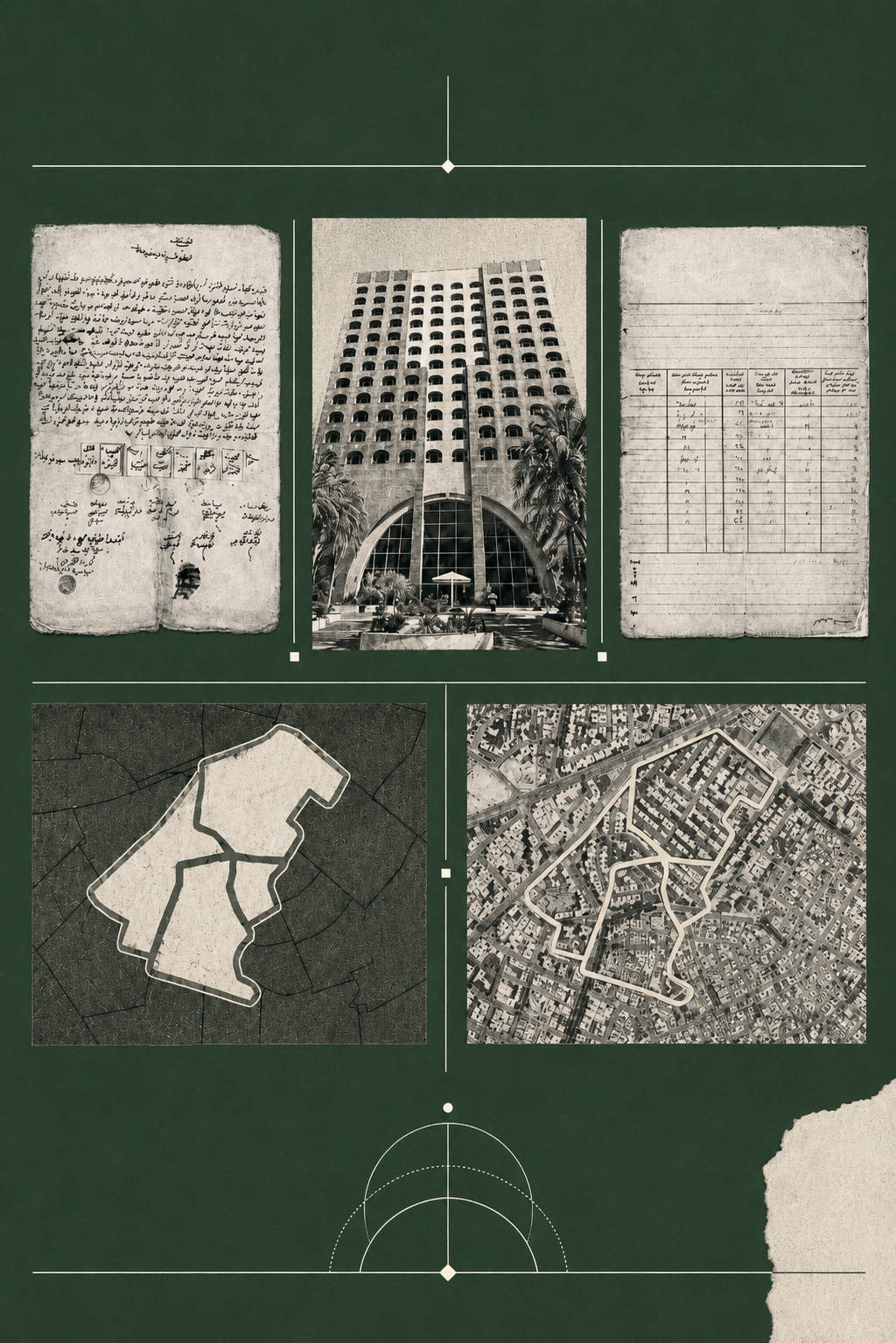
The archive also follows the ground families lived on through places and maps. The homes they built, the streets they walked, the fields they farmed, and the roads that connected one town to another. These maps tie personal memory to real geography, showing where people lived, worked, and moved through their daily lives.
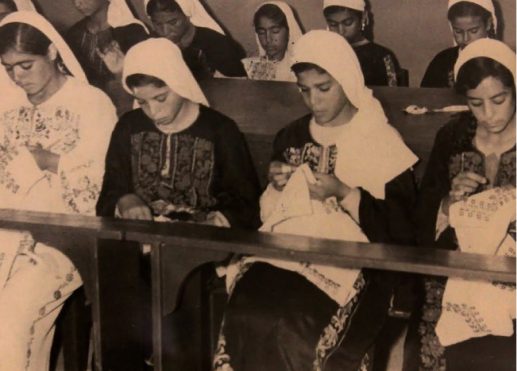
Girls Embroidering from Jericho, 1930
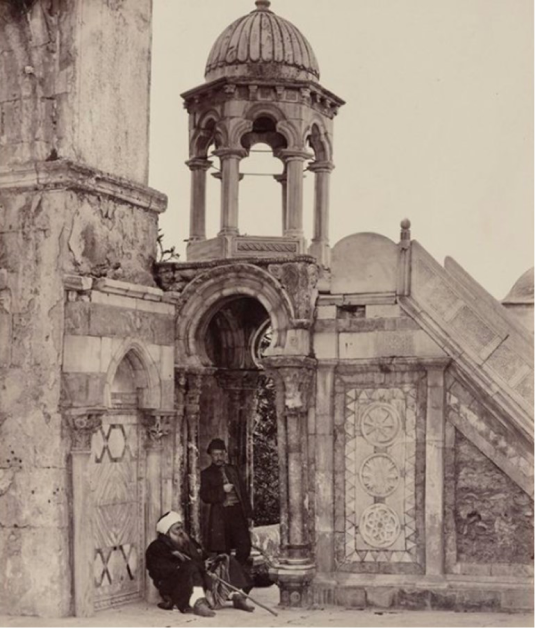
Al-Aqsa Mosque, 1862
.png)
English Mission School Children: Nablus, Palestine 1920
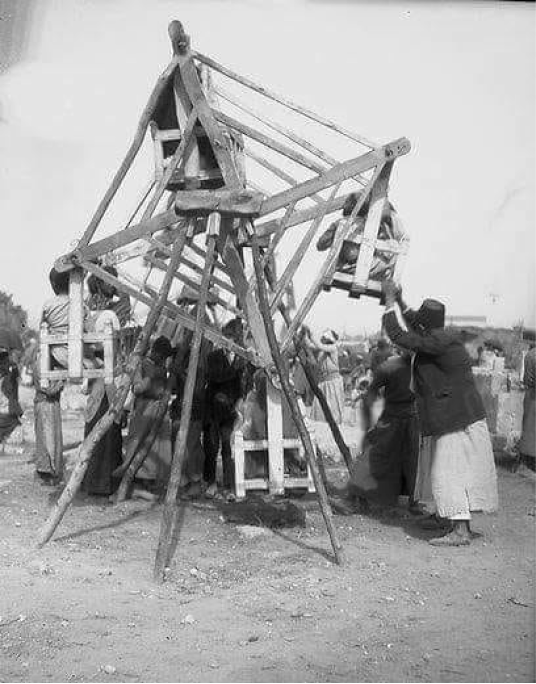
The swing of joy for the Palestinian holidays in 1930. Ramla.
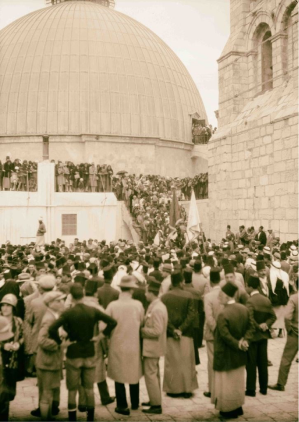
The transportation between Acre and Haifa 1890
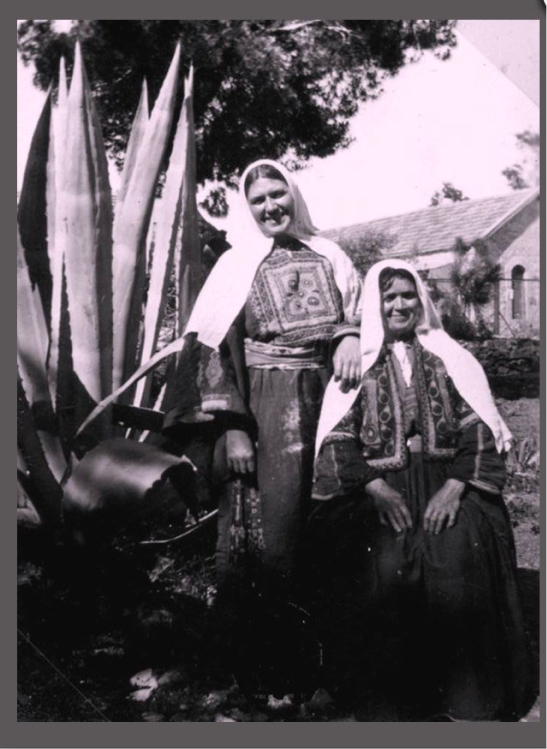
Women in Palestinian dress from Deir al-Qasi in 1937
The archive brings together contracts, agreements, land deeds, receipts, tax documents, and other preserved records that trace the Bseiso family’s presence across generations.
Each document carries a fragment of truth — proof of ownership, daily transactions, family history, and the material evidence of a world that memory continues to protect.
The archive brings together contracts, agreements, land deeds, receipts, tax documents, and other preserved records that trace the Bseiso family’s presence across generations.
Each document carries a fragment of truth — proof of ownership, daily transactions, family history, and the material evidence of a world that memory continues to protect.
Led and commissioned by Adel Bseiso, this legal opinion brings together historians, legal experts, and surveyors to trace the movement of Mahrous Bseiso’s properties over time since 1948.
Through archival records, land documents, and geographic research, it examines historical ownership, dispossession, and the evidence that preserves the family’s connection to the land.
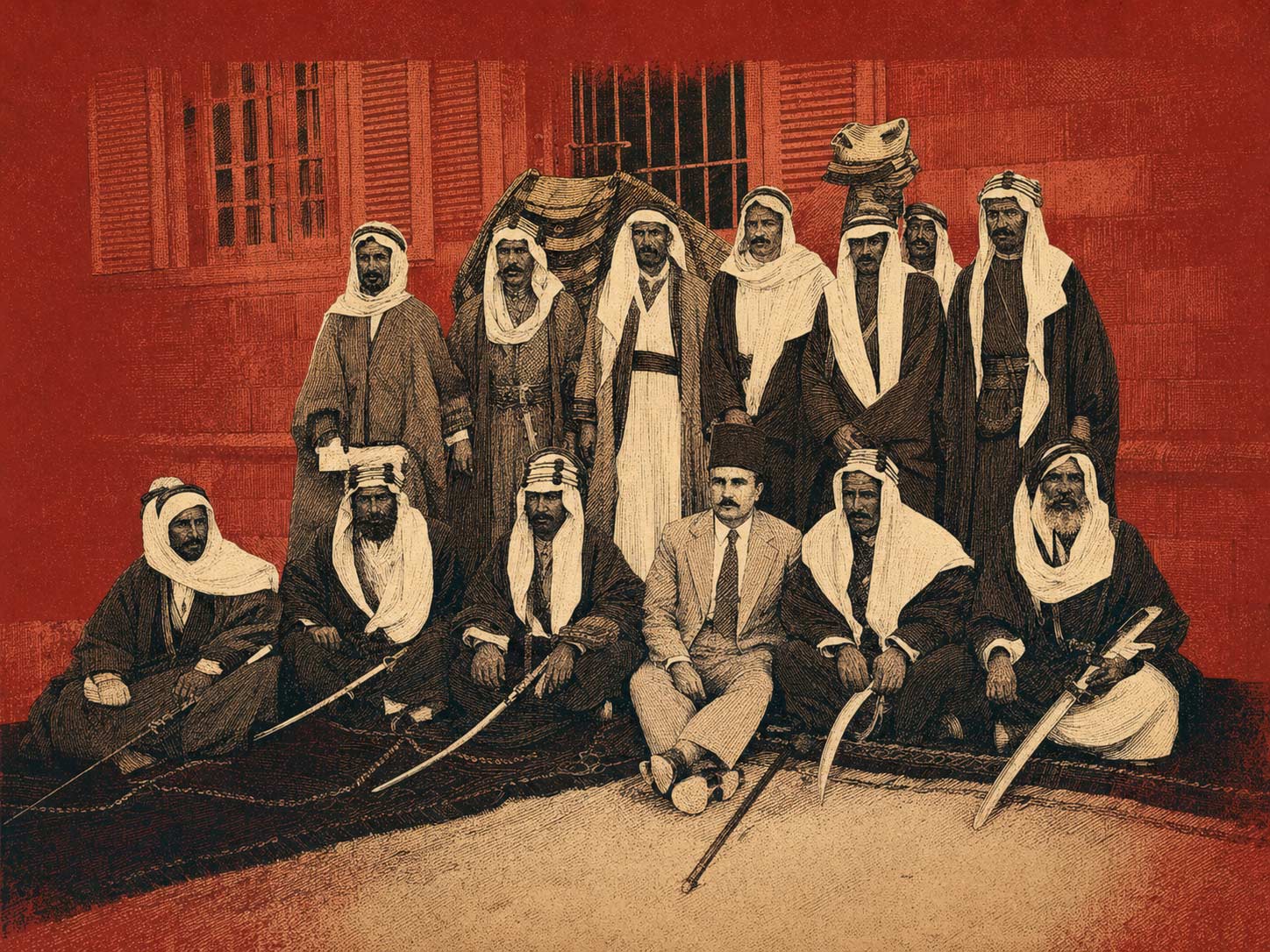
The witnesses in the Bseiso Family Archive were tribal leaders, businessmen, and community figures who played critical roles in early 1900s Beersheba.
They were involved in politics, landownership, and local leadership, reflecting their influence on the region’s social and economic landscape.
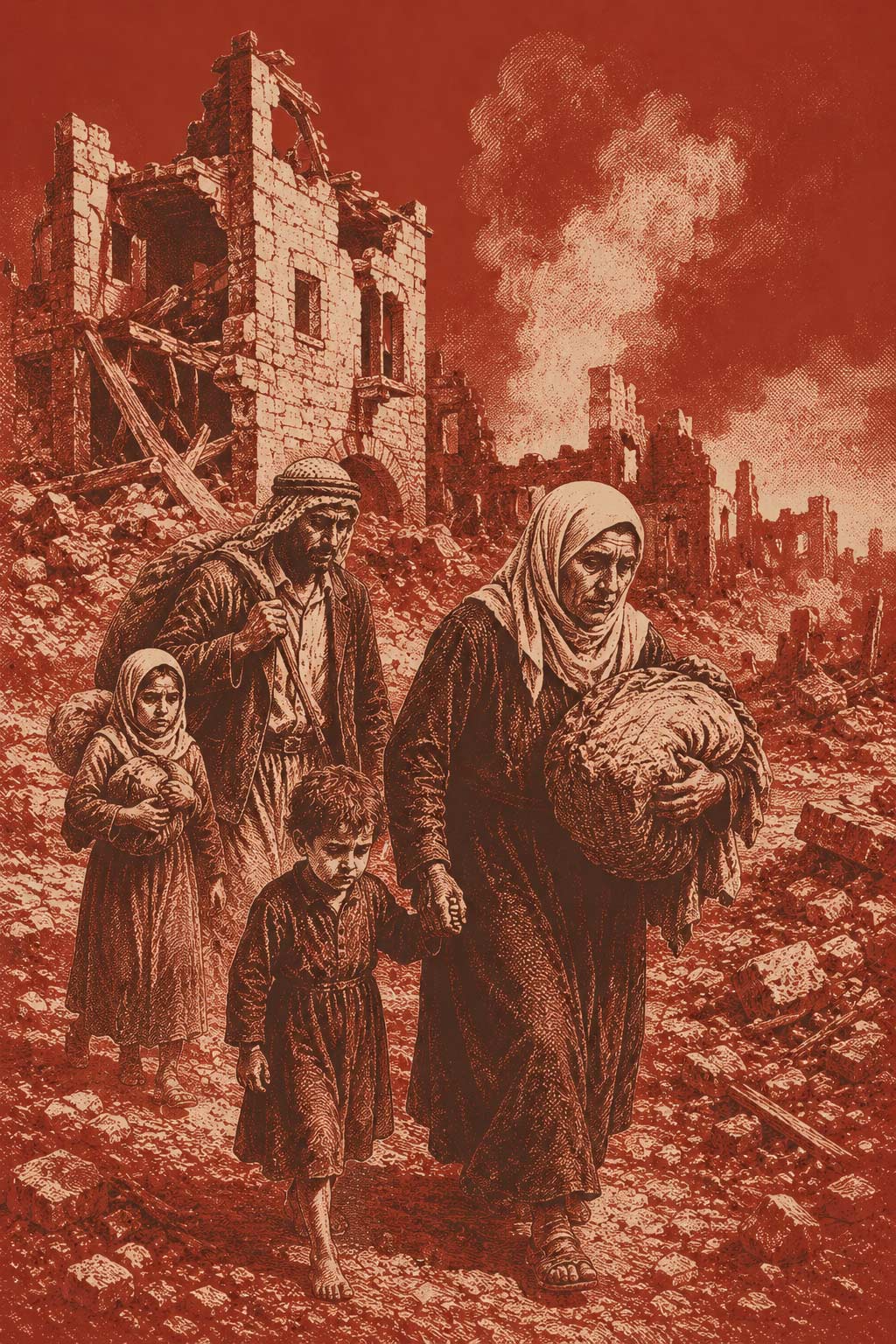
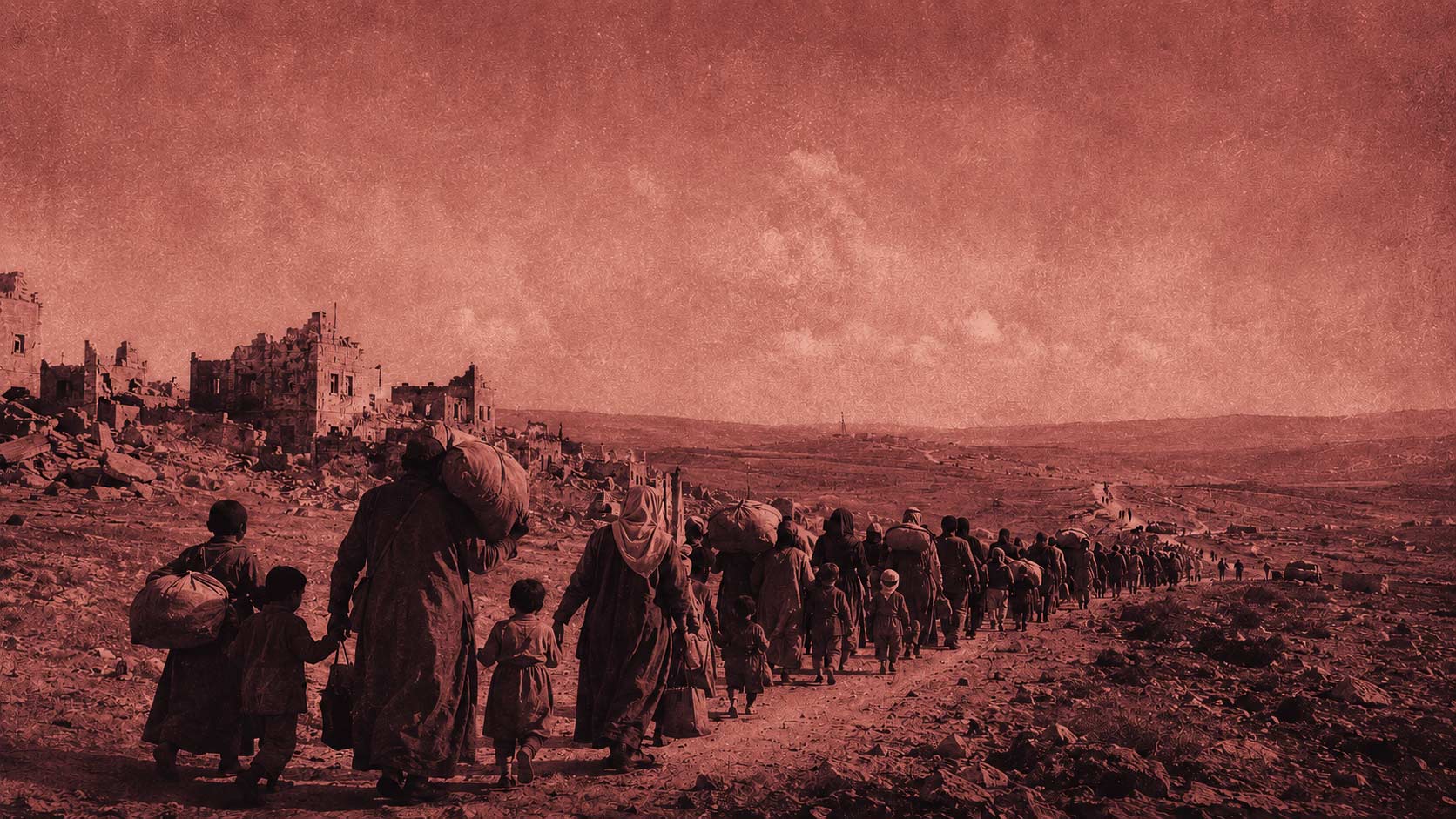
Homes emptied, villages erased, and families were forced into exile. What unfolded in 1948 was not an accident of war, but a planned catastrophe.
The hub brings together news, articles, media, and archive updates in one living space, connecting the Bseiso Family Archive to ongoing research, reflection, and public memory.